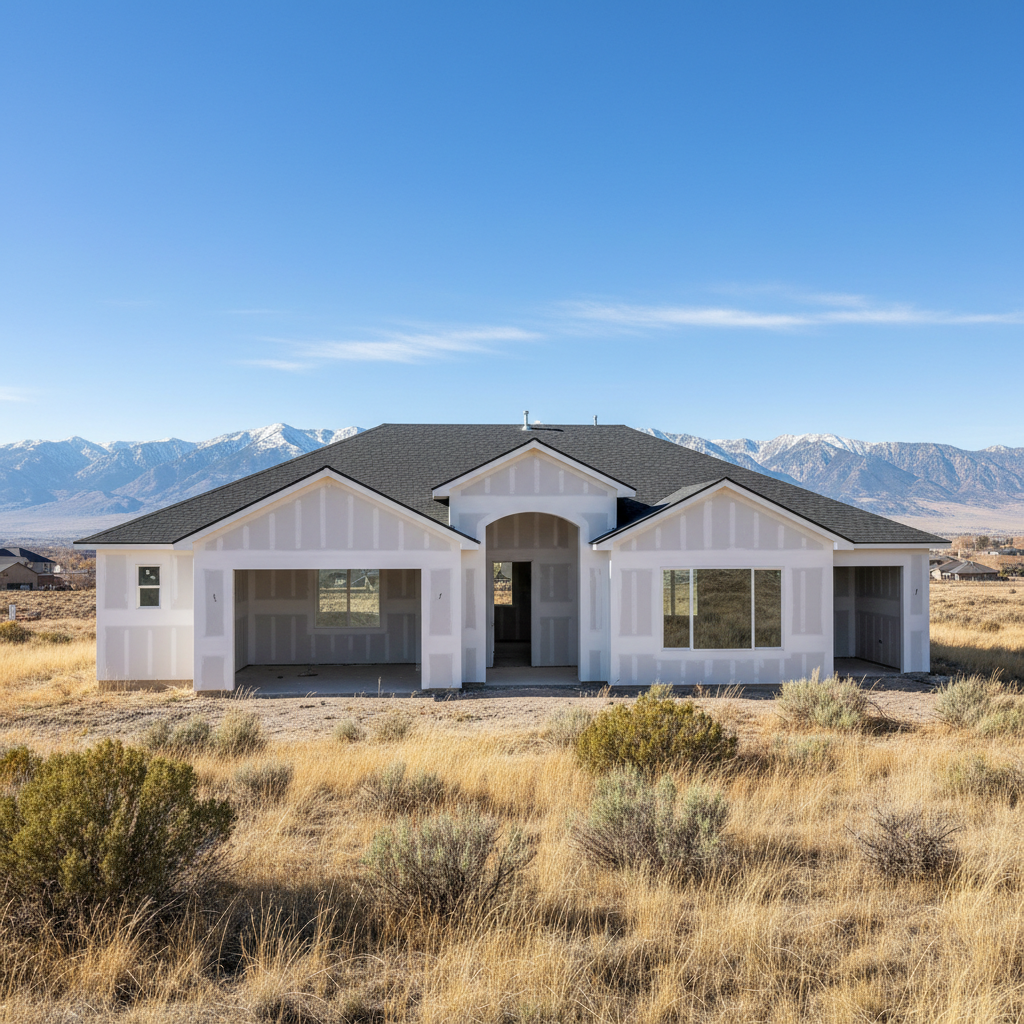
So, you're thinking about new sheetrock for your Orem home. Maybe you're finishing a basement, tackling a remodel, or adding a whole new room. Whatever the reason, getting new drywall installed is a pretty big deal, and you definitely want it done right—without a ton of headaches. I've been doing this for a long time here in Utah County, and I've seen plenty of projects go smoothly. And, frankly, some that didn't. This guide is all about helping you plan your sheetrock installation so you know what's coming and can make smart decisions along the way.
Understanding Your Sheetrock Project Timeline
Let's talk timelines first, because everyone always wants to know how long it's gonna take. It's definitely not a one-day job, that's for sure. A typical sheetrock installation, from hanging the boards to a finished, paint-ready surface, usually takes a few weeks. That's for an average-sized project, like a basement or maybe a few rooms.
- Hanging the Drywall: This is the very first step. Depending on how big the area is, this can take anywhere from a couple of days to a week. We're cutting sheets and screwing them to the studs. It's dusty, it's loud, but it moves fast.
- Taping and Mudding (First Coats): Once the sheets are up, we start taping the seams and putting on the first layers of joint compound. This is where the real skill comes into play. We're filling gaps, feathering edges—it usually takes a few days.
- Drying Time: This part is absolutely crucial, and people often forget about it. Each coat of mud needs to dry completely before the next one can go on. In Orem, especially during the colder, wetter months, or if your basement is a bit damp, this can take longer. We're talking 12-24 hours per coat, sometimes more if it's humid. Trying to rush this will only lead to cracks and bubbles later, and nobody wants that, right?
- More Coats and Sanding: We'll put on more coats of mud, usually two to three more, sanding lightly between each one to get that super smooth finish. This stage can easily take another week, sometimes more if we're going for a Level 5 finish.
- Final Sanding and Cleanup: The last big sanding job, often followed by a really thorough cleanup to get all that drywall dust out. This usually takes a day or two.
So, you're looking at a minimum of two weeks for a smaller job, and often three to four weeks for something more extensive. Don't let anyone tell you they can do a quality job in a few days for a whole house. They're either cutting corners or they're just not being straight with you.
What to Expect During the Installation Process
When you hire a crew like All Things Drywall Company, here's what you can generally expect:
- Noise: Cutting drywall, screwing it into place, sanding—it's going to be noisy. If you're living in the house, be ready for some disruption.
- Dust: Oh, the dust. Drywall dust is incredibly fine, and it gets everywhere. We do our best to contain it, using plastic sheeting and sealing off areas, but some will inevitably escape. Plan to cover furniture, electronics, and anything you don't want coated in a fine white powder.
- Temperature Control: We need a consistent temperature for the mud to dry right. If it's the dead of winter and your new addition isn't heated yet, we'll need temporary heaters. Same goes for extreme heat; sometimes we need to ventilate to keep things from drying too fast and cracking.
- Foot Traffic: There will be a crew coming and going. Make sure pets are secured and valuables are out of the way.
- Material Delivery: Large sheets of drywall will be delivered. Think about where they can be stored safely and efficiently without blocking access or causing damage. Sometimes, especially in older Orem neighborhoods with smaller driveways, this needs a bit of coordination.
Communication is key. I'll always keep you in the loop on what's happening and what to expect next.
How to Prepare Your Home for Drywall Installation
Getting your home ready before the crew shows up can save you time and money. It also makes the whole process smoother for everyone involved.
- Clear the Area: Remove all furniture, decorations, and personal items from the rooms where work will happen. If it's a basement, make sure all storage is moved out of the way.
- Protect Your Belongings: For anything that can't be moved, cover it with heavy-duty plastic sheeting. This goes for floors too, especially if they're already finished.
- Ensure Access: Make sure there's a clear path from the outside right to the work area. We'll be bringing in large, heavy sheets of drywall, after all.
- Utilities: Confirm that all electrical, plumbing, and HVAC rough-ins are complete and inspected if required. We can't drywall over open wires or pipes.
- Ventilation: If possible, have windows that can be opened for ventilation, especially during the sanding phases.
- Power: We'll need access to electricity for our tools. Make sure outlets are working.
A little prep work on your end goes a long way in keeping the project on schedule and preventing damage to your home.
Crucial Questions to Ask Before Signing a Contract
Before you commit to any contractor, including All Things Drywall Company, you need to ask some pointed questions. Don't be shy; it's your home and your money, after all.
- Are you licensed and insured? This is non-negotiable. Ask for proof. A legitimate contractor will have no problem showing you. If they're not, you're taking a huge risk.
- What's your experience with projects like mine? You want someone who's done similar work. A basement finish is quite different from a small patch job.
- Can you provide references? And actually call them! Ask about their experience, how they communicated, and if the project stayed on budget and schedule.
- What's included in the quote? Get a detailed breakdown. Does it include materials? Cleanup? Hauling away debris? Priming? Make sure there are no hidden costs.
- What level of finish will I get? This is important. A Level 3 is fine for a garage, but you'll want a Level 4 or 5 for living spaces. Make sure it's specified in the contract.
- What's the payment schedule? A reputable contractor won't ask for 100% upfront. There should be a reasonable deposit, progress payments, and a final payment once you're satisfied with the work.
- What's your warranty? What happens if cracks appear a few months down the road? A good contractor stands behind their work.
- How do you handle changes or unexpected issues? Sometimes things come up. You want to know how they communicate and charge for changes to the original scope.
Asking these questions upfront will save you a lot of grief later. You want to feel confident in the person you're hiring. We're proud of the work we do at All Things Drywall Company, and we're always happy to answer any of these questions, thoroughly and honestly. Getting new sheetrock is a big investment in your home, so make sure you're working with someone you trust.